
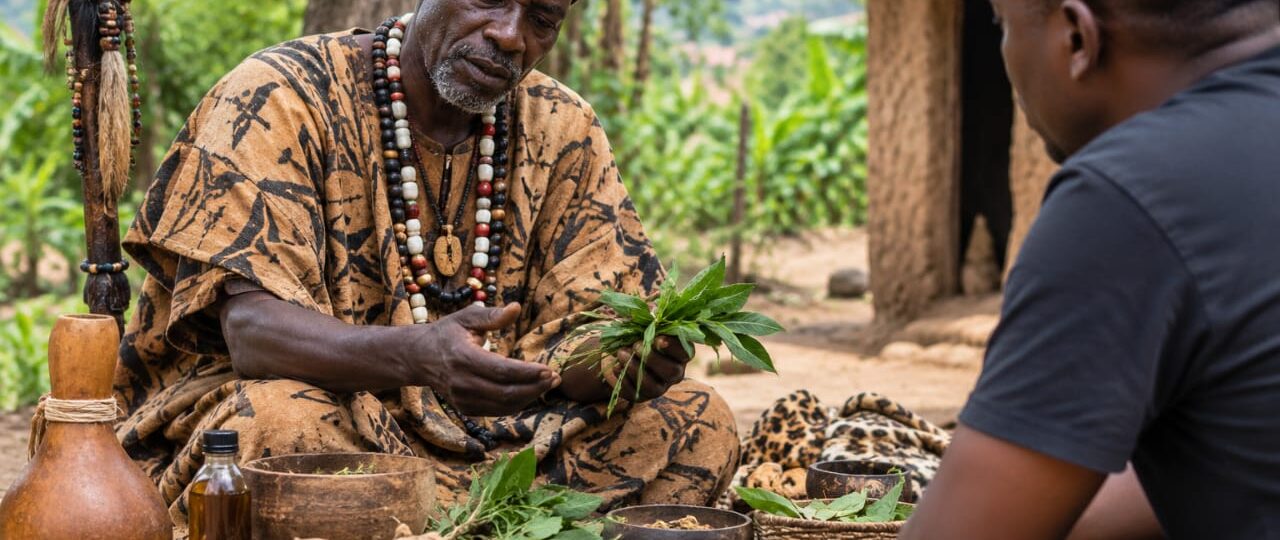
The Role of Clan Elders and Healers in Buganda’s Traditional Structure
The Vital Roles of Clan Elders and Traditional Healers in Buganda’s Cultural Framework
In the rich cultural tapestry of Buganda, two pillars stand out as fundamental to the kingdom’s social harmony and wellbeing: the clan elders, known as Abakulu b’Ebika, and the traditional healers, or Abasawo Abaganda. These figures are more than just roles; they are the guardians of heritage, health, and justice, intricately woven into the fabric that holds Buganda’s society together. Drawing from both historical knowledge and contemporary reflections, let’s explore how their responsibilities shape community life and sustain Buganda’s identity.
Clan Elders: Custodians of Heritage and Justice
Clan elders are the custodians of much more than just family trees—they are the living libraries preserving Buganda’s history, traditions, and laws. Serving as an indispensable link between the Kabaka (king) and the common people, they ensure that cultural values and societal rules are upheld every day.
One of their core tasks involves preserving clan identity. Through passing down oral histories and genealogies, they maintain a clear record of lineage that reinforces a person’s place within the community. They also oversee naming customs (Okutuuma Amanya), a crucial rite that preserves the continuity and honor of each family line. In my experience researching African cultural systems, these oral traditions are like fragile tapestries that need constant care—once lost, the thread of history unravels.
Beyond history-keeping, elders act as judges in the Bataka courts, settling disputes involving land, family inheritance, or domestic issues. This local dispute resolution ensures conflicts don’t fester and escalate to the Kabaka’s central court, preserving social peace. I recall visiting a Bugandan community where an elder mediated a land disagreement, calming tensions by reminding the disputants of their shared ancestry and mutual respect.
When a clan member passes away, elders take charge of the succession ritual called Okwabya Olumbe. This solemn ceremony confirms the installation of the rightful heir and ensures support for the grieving family—highlighting elders’ role as both leaders and nurturers. Additionally, chief clan elders advise the Kabaka on cultural matters, representing their clans’ interests in the royal court (Mbuga), thereby influencing policy that reflects traditional values.
Traditional Healers: Guardians of Holistic Health
In Buganda’s worldview, health transcends just the physical. It incorporates spiritual and psychological balance, a perspective that traditional healers expertly uphold. These healers are deeply respected, their knowledge passed through generations, blending art and science in their practice.
Herbal medicine forms a foundation of their healing craft. Known as Abasawo b’Ebijanjaalo, these healers harness an ingenious understanding of indigenous plants—the roots, barks, and leaves—to treat ailments ranging from malaria to broken bones. What strikes me is their precise understanding of local flora, a natural pharmacy that modern medicine often overlooks but science is steadily validating.
Their role also stretches into the spiritual realm. Abasawo b’Ebyalo, or spiritual healers, act as bridges between the living and the ancestors—Balubaale and Mizimu. When families or communities suffer unexplained misfortunes like prolonged drought or recurring illness, these healers diagnose spiritual causes and conduct cleansing rituals to restore harmony. This aspect reminds me of the importance of addressing unseen factors in wellbeing, something even modern holistic medicine is now considering.
Mental and psychological health also falls under their care. Through counseling and ritualistic practices, healers help individuals overcome distress and reintegrate into their communities, reinforcing social cohesion and emotional stability—an ancient form of therapy that resonates strongly with modern mental health approaches.
The Symbiotic Relationship: Cultural and Community Cohesion
What fascinates me most about Buganda’s elders and healers is how seamlessly their roles intersect to uphold the kingdom’s vitality. Together, they enforce cultural safeguards such as taboos (Emiziro) designed to protect the environment, prevent harmful practices like inbreeding, and promote public hygiene. Their combined efforts create a holistic approach to community health—social, physical, and spiritual.
While elders govern legal and social matters, healers foster the community’s physical and spiritual wellbeing, ensuring that society not only functions but thrives. From my perspective, this intertwined leadership model offers valuable lessons on integrating traditional wisdom with modern governance and health systems.
Looking Ahead: Delving Deeper into Buganda’s Traditions
This overview only scratches the surface of Buganda’s intricate social structure. In future discussions, I plan to dive deeper into specific rituals, case studies of conflict resolution, and the evolving role of these figures in contemporary Buganda, where tradition meets modernity. Understanding these dynamics offers crucial insight into how communities maintain identity and resilience through generations.
In the meantime, appreciating the roles of clan elders and traditional healers reveals a powerful blend of justice, care, and cultural preservation—values that resonate far beyond Buganda’s borders.
—
The above exploration unpacks the essential contributions of clan elders and traditional healers in Buganda, emphasizing their joint responsibility in sustaining social integrity and holistic wellbeing. This partnership not only reflects Buganda’s rich heritage but also provides timeless lessons applicable in broader contexts.
📞 Phone / Call +256750427369 or WhatsApp +256750427369
🌍 Available in: Kampala Uganda