
Who are Ugandan witch doctors and what do they actually do?
Who exactly are Ugandan witch doctors, and what roles do they fulfill in their communities? Let’s unpack the fascinating world of these traditional healers, who are often misunderstood through a Western lens. The term witch doctor originated during the colonial period—a label imposed by outsiders that fails to capture the true essence of their work. In reality, these practitioners act more like guardians or “anti-witch doctors,” dedicated to protecting their communities from negative spiritual forces rather than causing harm.
So, what do Ugandan traditional healers actually do? For starters, they combine centuries-old herbal knowledge with spiritual practices to heal both physical and mental ailments. Using plants and natural remedies—many backed by genuine medicinal benefits—they treat illnesses that Western medicine might overlook, often adding counseling that addresses psychological and spiritual wellbeing. I remember during a trip to Uganda when I witnessed a healer prepare a mixture of herbs that modern science now acknowledges as having anti-inflammatory properties. It was a powerful reminder of how indigenous knowledge and modern medicine can complement each other.
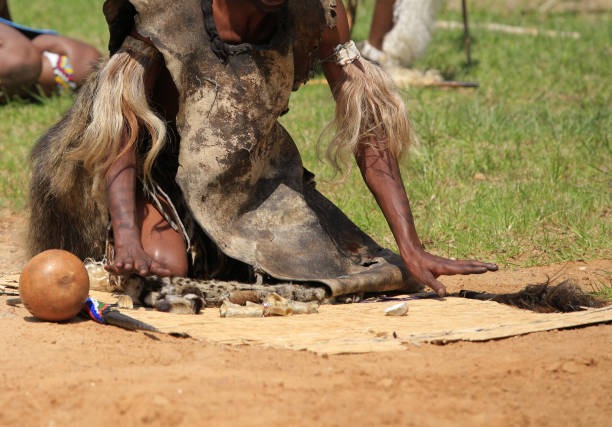
These healers also engage in divination through unique rituals involving objects like bones, shells, or stones. Paired with evocative songs, dances, and trance-like states, these methods help uncover hidden causes behind misfortunes—be it illness, bad luck, or familial strife. Unlike the supernatural spectacle often portrayed, these practices serve a community function, bringing clarity and guidance in times of distress.
Moreover, their role extends well beyond healing—they are vital community mediators. They serve as counselors and peacemakers, helping to resolve disputes within clans and mend fractured relationships. This social role is crucial in maintaining harmony and supporting individuals through life’s turbulent moments. Drawing from firsthand stories shared by locals, I learned how these healers helped settle conflicts without the need for formal courts or external authorities.
Lastly, they provide protection and blessings believed to ward off evil spirits and misfortune. Whether safeguarding crops, livestock, or households, these rituals aim to secure the wellbeing of the community as a whole. It’s a unique blend of spirituality and practical guardianship that reflects deep cultural values around connection, safety, and balance.
To truly appreciate the impact of these traditional healers, we must look beyond outdated stereotypes and understand their enduring role in Ugandan society. Their expertise intertwines medicine, spirituality, and social cohesion—an intricate web that continues to support communities in profound ways.
In upcoming articles, we’ll delve deeper into the history, specific rituals, and herbal remedies used by Ugandan traditional healers, exploring how they adapt in a modernizing world while preserving their rich heritage. Stay tuned as we journey further into this captivating intersection of culture, spirituality, and healing.
📞 Phone / Call +256750427369 or WhatsApp +256750427369
🌍 Available in: Kampala Uganda